Before You Drill Into a Wall: 5 Things Every Homeowner Should Know
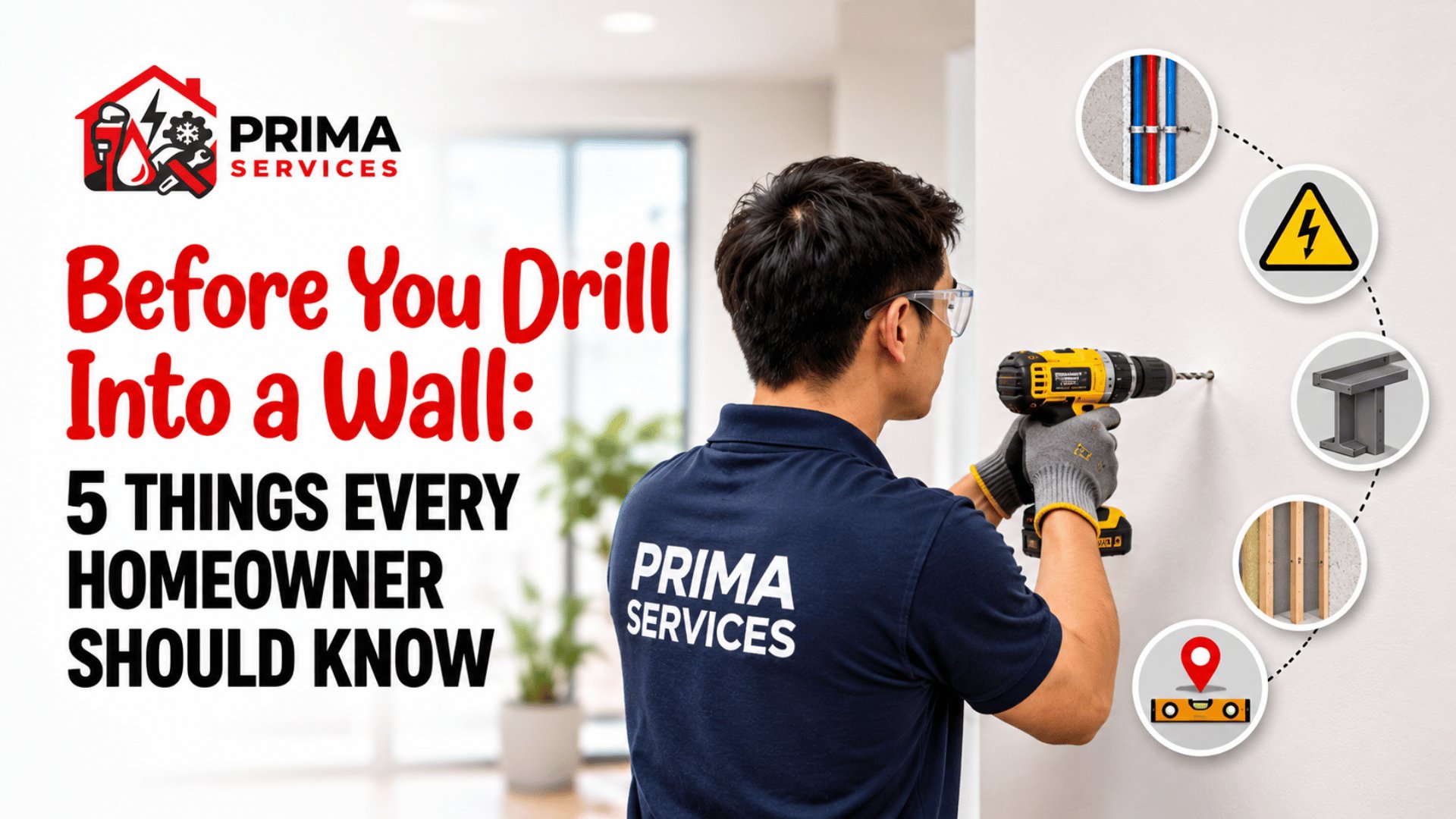
Before You Drill Into a Wall: 5 Things Every Homeowner Should Know
Hanging a shelf, mounting a television, or installing household fixtures may seem like simple tasks. But drilling into a wall without checking what is behind it can lead to damaged electrical wires, leaking pipes, cracked surfaces, and costly repairs.
Before picking up a drill, there are a few important things every homeowner should understand. Knowing the wall type, checking for hidden utilities, and choosing the right tools can make wall drilling safer and prevent unnecessary damage.
1. Check for Hidden Electrical Wires and Water Pipes
Before drilling, find out what may be running behind the wall. Electrical cables and water pipes are often concealed inside walls, and accidentally hitting them can create serious problems.
Use a suitable wall detector to check for hidden wires, pipes, and other obstructions. However, these devices are not always foolproof, so do not rely on them alone.
Pay extra attention when drilling near electrical switches, power points, kitchen areas, and bathrooms. If you are unsure about what is behind the wall, get professional assistance before proceeding.
2. Identify the Type of Wall Before Drilling
Not all walls are made from the same materials. Concrete, brick, plasterboard, and tiled walls require different drilling methods and equipment.
Using the wrong drill bit or applying excessive pressure can cause cracks, surface damage, or poorly finished holes.
Before starting, identify the wall material and select a suitable drill bit and drilling technique. For tiled surfaces, extra care is necessary to prevent the tile from cracking or chipping.
3. Choose the Right Wall Anchors and Fixings
The fixing method depends on what you are installing and how much weight it needs to support.
A lightweight picture frame, a floating shelf, and a wall-mounted television all require different types of fixings.
Consider the following:
Wall plugs: Suitable for certain masonry applications.
Drywall anchors: Designed for mounting items on plasterboard.
Heavy-duty fixings: Required for suitable load-bearing applications.
Choosing an unsuitable fixing can cause shelves or mounted fixtures to become loose or fall over time. Always check the weight requirements and the manufacturer's installation instructions.
4. Measure and Mark the Drilling Points Carefully
Incorrect measurements can leave unnecessary holes and uneven installations.
Before drilling, measure the required height and distance, mark the drilling points, and use a spirit level to check alignment.
For multiple mounting points, measure the distance between them carefully. Double-check your markings before making any holes.
Taking a few extra minutes to measure properly can prevent avoidable wall damage and save time during installation.
5. Use the Right Tools and Follow Safety Precautions
Using unsuitable tools or rushing through the process can increase the risk of accidents and damage.
Before starting, make sure you have:
A suitable drill and drill bit for the wall material.
Appropriate wall anchors and screws.
Safety goggles and a dust mask.
A measuring tape and spirit level.
A stable ladder or work platform, if required.
Keep the drilling area clear, avoid loose clothing, and wear suitable protective equipment. Stop immediately if you encounter unexpected resistance, unusual sounds, or signs of hidden utilities.
If the task involves electrical wiring, plumbing, or structural concerns, do not attempt to handle them yourself.
When Should You Call a Professional Handyman?
Not every wall-mounting job is suitable for DIY work. Drilling into concrete walls, mounting heavy fixtures, working at heights, or dealing with uncertain wall conditions may require professional tools and experience.
A professional handyman can assess the wall, select suitable fixings, and carry out the installation with the appropriate precautions.
If you are unsure about the drilling location or installation method, getting professional help is better than risking damage that could cost more to repair.
Conclusion: Get Wall Drilling Done the Right Way
Wall drilling requires more than just a drill and screws. Checking for hidden utilities, understanding wall materials, selecting suitable fixings, and following safety precautions are essential for a reliable installation.
For homeowners who need assistance with wall drilling, shelf mounting, and household fixture installations, Prima Services provides professional handyman services in Singapore. With experienced technicians and 24/7 handyman services, you can get the right help for your household maintenance needs.
Choose the right professional assistance and avoid unnecessary damage to your property.
Share this article
Related Articles

HDB Handyman Services in Singapore: What's Covered & What to Expect
What Does an HDB Handyman Actually Do?Moving into a new HDB flat often comes with a list of small repairs and maintenance tasks that need attention. Maybe a bed...
TV Wall Mounting in Singapore HDB: What You Need to Know
Mounting your TV on the wall is a great way to save space, improve viewing comfort, and give your living room a clean, modern look. Whether you live in an HDB f...
7 Small Home Repairs You Should Never Ignore
7 Small Home Repairs You Should Never IgnoreSmall problems around the home may seem harmless at first, but ignoring them can lead to bigger inconveniences, addi...