Toilet Water Leakage Repair in Singapore: Causes, Costs & How to Fix It
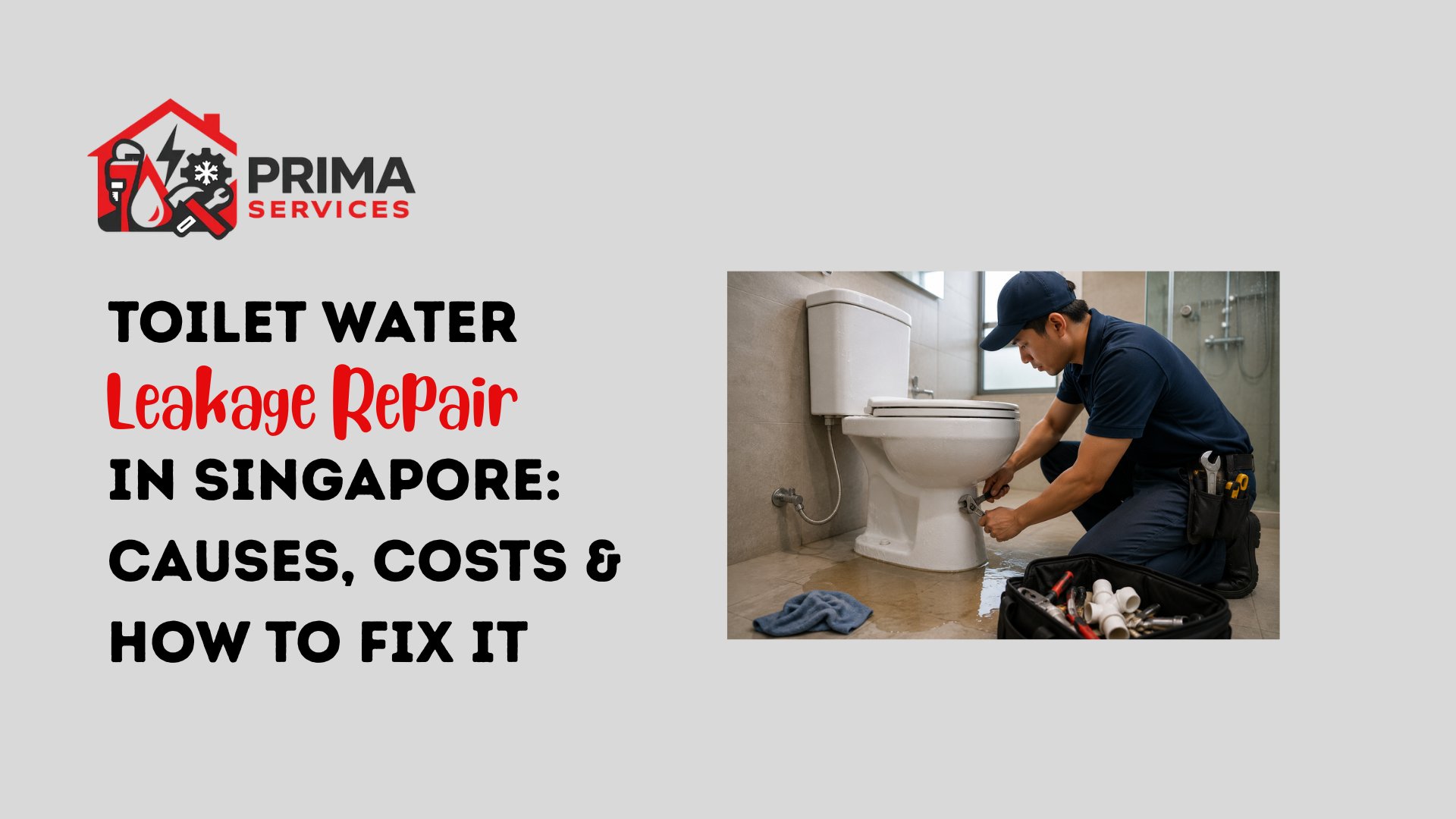
Why Toilet Water Leaks Should Never Be Ignored
You notice a small puddle forming around the base of your toilet. You wipe it away, only for it to reappear a few hours later. Or perhaps you hear the sound of water running inside the cistern long after the toilet has been flushed. These may seem like minor inconveniences at first, but they are often early signs of a toilet water leakage problem.
In Singapore, toilet leaks are among the most common plumbing issues faced by homeowners in both HDB flats and condominiums. Due to frequent usage and the wear and tear of plumbing components over time, even a small leak can quickly develop into a larger and more expensive problem.
Types of Toilet Water Leakage
Not all toilet leaks are the same. Understanding which type you're dealing with helps you figure out how serious it is and what needs to be done.
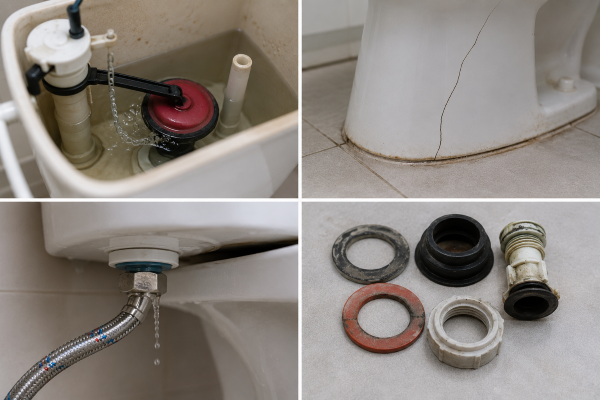
Leaking from the cistern — Water drips or flows continuously from the cistern into the bowl, or the cistern overflows. Usually caused by a faulty fill valve, a worn flush valve, or a float set at the wrong level. You'll often hear a constant trickling sound even when no one has flushed.
Leaking from the base — Water pools around the bottom of the toilet bowl, especially after flushing. This typically points to a failed wax seal or a cracked floor flange — the connection between the toilet and the drain pipe. This type of leak can cause water to seep under the floor tiles if left for too long.
Water leaking continuously into the bowl (silent leak) — The bowl refills slowly and constantly even without flushing. This is a "silent leak" that's easy to miss since there's no visible water on the floor. It can waste a significant amount of water over time and push up your PUB bill without you realising it.
Most Common Causes of Toilet Water Leakage in Singapore
These are the faults our team finds most often when doing toilet repair in Singapore homes:
Worn cistern flap valve — The rubber flap at the bottom of the cistern degrades over time. When it no longer seals properly, water trickles through constantly.
Cracked toilet bowl — Hairline cracks in the ceramic are sometimes invisible but cause slow, persistent leaks at the base or inside the bowl.
Loose water supply connection — The hose connecting the water supply to the cistern can loosen over time, causing drips behind or under the toilet.
Old rubber seals deteriorating — In HDB flats that are 10 or more years old, the rubber seals throughout the toilet system naturally break down. This is one of the most common causes of toilet leakage in older Singapore homes.
How to Tell If Your Toilet Is Leaking Silently
The food colouring test is a simple DIY check you can do right now. Drop a few drops of food colouring (any colour) into the cistern — do not flush. Wait about 10–15 minutes. If colour appears in the toilet bowl without flushing, you have a silent leak. This means water is continuously passing from the cistern into the bowl through a faulty flap valve or seal. It's a quick way to confirm a problem before calling a plumber, and it saves you from guessing.
Toilet Water Leakage Repair Cost in Singapore
The cost of toilet bowl repair in Singapore generally starts from around S$100, but the final price depends on what's causing the leak and what parts need replacing. A simple flap valve replacement is a quick, affordable fix. A base seal replacement or floor flange repair involves more labour and potentially some tile work, which will cost more.
If you also have water leak repair needs elsewhere in the bathroom or home, combining jobs in one visit is usually more cost-effective. Contact us for a specific quote — we'll give you a clear price before starting any work.
When to Call a Plumber vs DIY
Some toilet repairs are manageable for confident homeowners. Replacing a cistern flap valve is a relatively straightforward job — the parts are inexpensive and available at hardware shops, and there are good guides online. If you're comfortable turning off the water supply and working carefully, it's a reasonable DIY fix.
However, anything involving the toilet base should be handled by a professional. Removing a toilet, replacing the wax seal, or fixing a cracked floor flange requires the right tools and knowledge of how Singapore's plumbing systems are set up. Getting it wrong can mean a much bigger and costlier repair. If in doubt, call a plumber — the cost of getting it properly fixed is almost always less than the cost of a water damage repair.
You can find out more about our full range of plumbing services in Singapore.
Toilet Leakage Repairs Across Singapore
Whether you're in an HDB flat, a condo, or a landed property, Prima Services handles all types of toilet water leakage repair across Singapore. Our team will identify the source of the leak, explain exactly what needs to be done, and carry out the repair properly. Visit our toilet bowl repair page to get in touch and book an assessment.
Frequently Asked Questions
How much does toilet water leakage repair cost in Singapore?
Costs typically start from around S$100 for simple repairs like a flap valve replacement. More complex repairs — such as fixing a base seal or replacing a cracked bowl — will cost more depending on the labour involved and whether any tiles need to be removed. We provide a clear quote before starting any work.
Can a leaking toilet increase my PUB water bill?
Yes, significantly. A silent toilet leak can waste hundreds of litres of water per day without any visible signs. If your PUB bill has gone up unexpectedly and you can't explain it, a leaking toilet cistern is one of the first things to check using the food colouring test described above.
How long does toilet repair take?
A straightforward repair like replacing a flap valve or tightening a water supply connection usually takes 30–60 minutes. More involved repairs — such as a base seal replacement or toilet bowl removal — can take 2–3 hours. Your plumber will give you a clearer estimate once they've assessed the issue.
Is it better to repair or replace a leaking toilet bowl?
In most cases, repair is the better option — it's faster and more cost-effective. Replacement is usually only recommended if the bowl is cracked beyond repair, the internal mechanisms are severely deteriorated, or the toilet is very old and parts are no longer available. Your plumber can advise you honestly on which makes more sense for your specific situation.
Share this article
Related Articles
Why You Should Never Ignore a Water Leak in Your Home
IntroductionA small water leak may not look serious at first, but ignoring it can lead to expensive repairs and long-term damage. Many homeowners delay fixing l...

5 Common Plumbing Problems in Singapore Homes - And how to prevent them !
Plumbing issues are one of the most common household problems faced by homeowners across Singapore. From sudden leaks to poor water pressure, these issues can d...
Water Heater Repair in Singapore: Signs, Causes & Why You Shouldn’t Delay Repairs
A malfunctioning water heater can quickly disrupt your daily routine. From cold showers to potential electrical hazards, ignoring early warning signs often lead...