What Should You Do When Your Power Keeps Tripping?
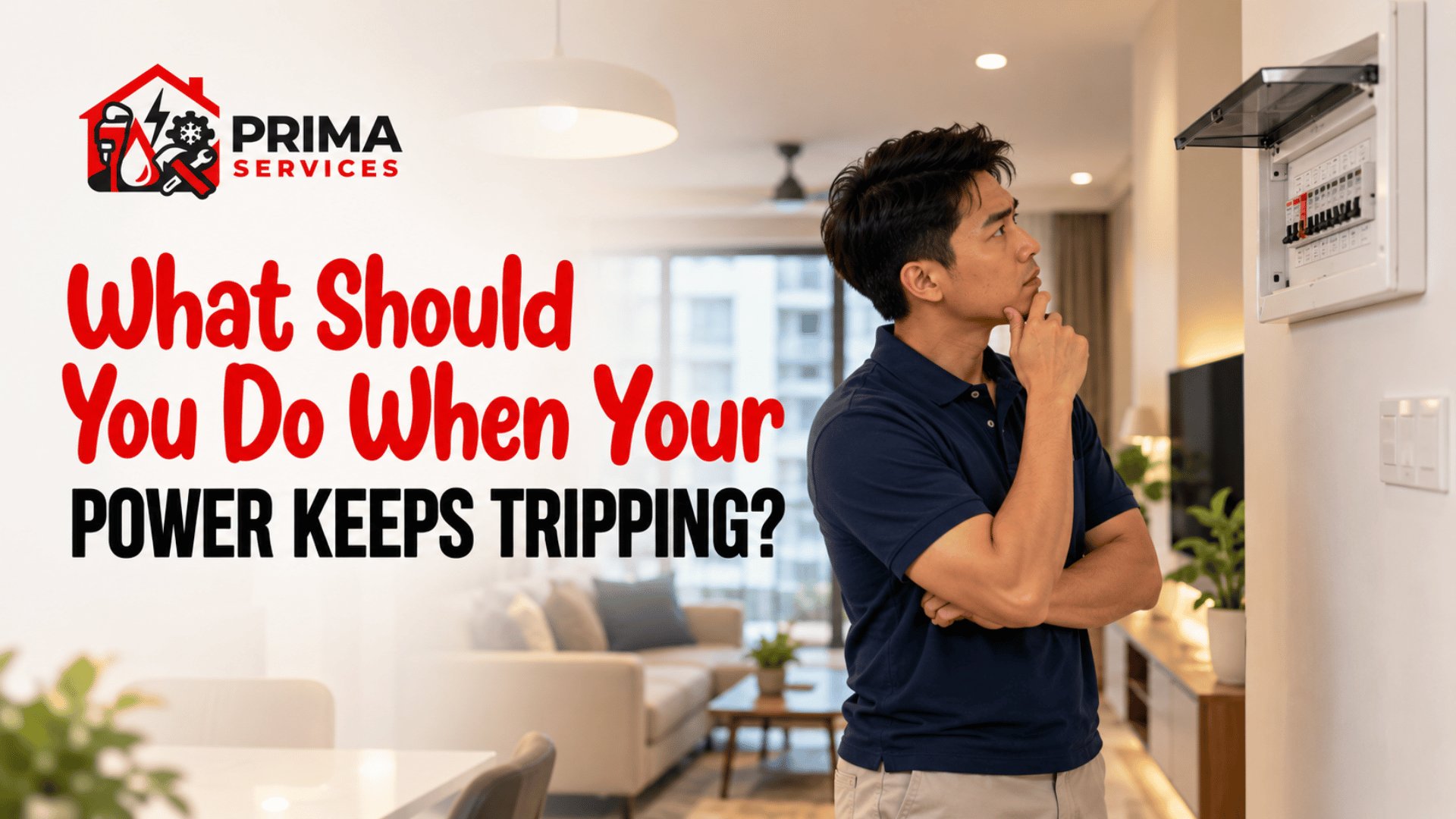
What Should You Do When Your Power Keeps Tripping?
Does your power keep tripping unexpectedly at home or in your workplace? A circuit breaker that switches off repeatedly can be frustrating, especially when you rely on electrical appliances throughout the day. However, frequent power trips should not be ignored. They can indicate an overloaded circuit, a faulty appliance, damaged wiring, or another electrical problem that needs attention.
Knowing what to do when your power keeps tripping can help you respond safely and understand when professional assistance is necessary. Instead of repeatedly resetting the circuit breaker, it is important to identify the possible cause and address the issue properly.
In this guide, we explain the common reasons for power trips, the steps you should take, and when to contact a professional for electrical services in Singapore.
1. What Does It Mean When Your Power Keeps Tripping?
A circuit breaker is designed to interrupt the electrical supply when it detects a condition that could make a circuit unsafe, such as an overload or short circuit. Depending on the electrical system, a protective device may also trip when it detects current leakage.
When the power trips occasionally, there may be a specific appliance or temporary electrical issue involved. However, if the same breaker trips repeatedly, the underlying cause needs to be investigated.
Common signs of an electrical problem
The power switches off whenever a particular appliance is used.
The circuit breaker trips repeatedly throughout the day.
Some lights or power sockets stop working unexpectedly.
The breaker trips when several appliances operate together.
You notice buzzing sounds, a burning smell, unusual heat, or visible damage near electrical fittings.
Why should you take repeated power trips seriously?
Repeated tripping can indicate a fault that requires professional attention. Continuing to reset the breaker without understanding the cause may expose your property to further electrical risks.
If you notice smoke, sparks, a burning smell, or hot electrical fittings, keep away from the affected area. Do not touch the equipment or attempt to reset the breaker. Seek urgent professional assistance and contact emergency services if there is a fire or immediate danger.
2. What Should You Do When Your Power Keeps Tripping?
If your electricity trips unexpectedly, prioritise safety rather than trying to restore power immediately.
Step 1: Check for warning signs
Look for obvious signs of danger, such as smoke, sparks, burning smells, water near electrical equipment, or unusually hot sockets and switches.
What if you notice any of these signs?
Stay away from the affected equipment and do not attempt to investigate or repair it yourself. If there is smoke or fire, move to safety and contact emergency services.
Step 2: Identify whether the outage affects one area or the whole property
If there are no immediate warning signs, note which areas have lost power. For example, the issue may affect only the kitchen sockets, a bedroom lighting circuit, or several areas of the property.
This information can help an electrician narrow down the possible cause.
Step 3: Consider whether an appliance may be involved
Think about what was operating when the power tripped. Did the problem start after switching on an air conditioner, water heater, oven, or another high-power appliance?
Do not touch damaged appliances, exposed wiring, or wet electrical equipment. If you suspect a particular appliance is faulty, stop using it and arrange an appropriate inspection.
Step 4: Avoid repeatedly resetting the breaker
A circuit breaker that trips again after being reset may be responding to an ongoing fault. Repeatedly switching it back on does not resolve the underlying problem.
Do not force the breaker into position, bypass protective devices, or attempt electrical repairs without the necessary qualifications.
Step 5: Contact a qualified electrician
If the breaker continues to trip, the cause is unclear, or you suspect an electrical fault, arrange a professional inspection. A qualified electrician can assess the circuit, test the relevant components, and recommend the appropriate repair.
Professional electricians can help investigate recurring power trips and restore electrical operation safely.
3. What Are the Common Causes of Power Trips?
Understanding the possible causes can help you describe the problem accurately when requesting electrical assistance. However, the exact cause cannot always be identified from the symptoms alone.
Overloaded electrical circuits
An overload can happen when the combined electrical demand on a circuit exceeds its safe capacity.
For example, operating several high-power appliances on the same circuit may cause the breaker to trip.
How can you recognise an overloaded circuit?
The power may trip when multiple appliances operate at the same time, particularly during periods of heavy electricity use. An electrician can assess the circuit capacity and determine whether the electrical load is appropriate.
Faulty electrical appliances
An appliance with damaged internal components, a faulty heating element, or an electrical defect may cause a protective device to trip.
If the problem consistently occurs when a particular appliance operates, stop using it until it has been checked. Do not open the appliance or attempt internal electrical repairs unless you are appropriately qualified.
Short circuits
A short circuit occurs when electrical conductors make an unintended connection, allowing current to flow through an unintended path. It can cause a breaker to trip suddenly.
Damaged insulation, loose components, or faulty equipment may contribute to this problem. Short circuits require professional investigation and should not be treated as a routine inconvenience.
Earth leakage
Earth leakage occurs when electrical current flows through an unintended path to earth. Depending on the installation, a residual current device (RCD) or another protective device may disconnect the supply when leakage is detected.
Moisture, damaged insulation, or faulty appliances can contribute to leakage problems.
What should you do if you suspect earth leakage?
Avoid using the affected equipment and do not handle wet sockets or electrical fittings. Arrange for a qualified electrician to investigate the cause and verify that the relevant protective devices operate correctly.
Damaged wiring or electrical components
Ageing wiring, deteriorated insulation, loose connections, or damaged electrical components can cause recurring power trips.
These problems may not be visible from outside a socket or distribution board. Professional testing is often necessary to identify the fault and determine the correct repair.
4. Why Does Your Power Keep Tripping at Specific Times?
The timing of a power trip can provide useful information about the possible cause.
When you switch on an appliance
If the power trips immediately after an appliance is switched on, the appliance, its circuit, or the initial electrical demand may be involved.
Stop using the equipment if you suspect a fault and seek professional advice.
When several appliances are running
If the breaker trips when multiple appliances operate together, an overloaded circuit may be one possible explanation. An electrician can check the load and assess whether the circuit is suitable for the appliances connected to it.
During rainy weather or in damp areas
Moisture can contribute to electrical faults, particularly where outdoor fittings, damaged insulation, or equipment exposed to water are involved.
Never handle electrical equipment that is wet or located in standing water. Keep away from the affected area and arrange professional assistance.
At seemingly random times
Power trips that occur without an obvious pattern can be caused by intermittent faults, defective equipment, wiring problems, or other electrical issues.
Keep a record of when the trips happen and which appliances were operating. Share these details with your electrician to help with troubleshooting.
5. When Should You Call an Electrician for Power Trips?
An occasional trip may have an identifiable cause, but repeated or unexplained tripping requires attention.
Contact a qualified electrician if:
Your circuit breaker trips repeatedly.
The power trips whenever a particular appliance operates.
You experience unexplained loss of power in part of your property.
You notice buzzing, scorch marks, unusual heat, or a burning smell.
You suspect damaged wiring or an electrical leakage problem.
The breaker will not remain switched on.
Why professional electrical troubleshooting matters
A professional can inspect the electrical installation, identify possible faults, and carry out appropriate testing before recommending repairs. This helps address the underlying issue rather than relying on repeated breaker resets.
6. How Can You Reduce the Risk of Future Power Trips?
Not every power trip can be prevented, but appropriate electrical maintenance and responsible appliance use can help reduce certain risks.
Avoid overloading sockets and circuits
Be mindful of the combined electrical demand of appliances operating on the same circuit. Avoid using damaged extension cords or connecting multiple high-power appliances to unsuitable outlets.
Maintain your electrical appliances
Check appliances and power cords for visible damage. Stop using equipment with frayed cables, damaged plugs, unusual smells, or signs of overheating.
When should an appliance be replaced or repaired?
If an appliance repeatedly causes a power trip, do not continue using it to test whether the problem disappears. Arrange an inspection by an appropriately qualified appliance technician or electrician, depending on the issue.
Arrange electrical inspections when needed
If your property has recurring electrical issues, ageing electrical components, or has undergone renovations, a professional assessment may help identify problems that need attention.
Do not bypass protective devices
Circuit breakers and residual current devices serve important safety functions. Never bypass them, replace them with unsuitable devices, or increase a breaker's rating without an appropriate assessment of the circuit and wiring.
7. Frequently Asked Questions About Power Trips
Why does my power keep tripping even when I use only one appliance?
A faulty appliance, damaged wiring, a short circuit, or earth leakage may cause a trip even when only one appliance is operating. The cause needs to be investigated rather than assumed.
Is it safe to keep resetting a tripping circuit breaker?
No. Repeatedly resetting a breaker without identifying the cause can leave an underlying electrical fault unresolved. If it trips again or you notice warning signs, stop and seek professional assistance.
Can a faulty air conditioner cause power trips?
Yes. A fault within an air conditioner or its electrical supply may cause a protective device to trip. Stop using the equipment if you suspect an electrical problem and arrange an inspection.
Should I replace a circuit breaker that keeps tripping?
Not without an appropriate diagnosis. The breaker may be operating correctly in response to an overload or fault. A qualified electrician should determine whether the breaker, circuit, wiring, or connected equipment requires repair or replacement.
Get Professional Electrical Assistance from Prima Services
When your power keeps tripping, the safest approach is to identify the warning signs, avoid repeated breaker resets, and arrange a professional inspection if the problem continues. Overloaded circuits, faulty appliances, short circuits, earth leakage, and damaged wiring are possible causes, and each requires the right troubleshooting approach.
Prima Services provides electrical services in Singapore to help homeowners and businesses address common electrical problems, including power trips and electrical troubleshooting. With experienced technicians and service availability around the clock, Prima Services can help assess your requirements and advise on the appropriate next steps.
Do not let recurring electrical problems disrupt your home or workplace. If your power keeps tripping, contact Prima Services for professional assistance.
Need Help with Repeated Power Trips?
Get in touch with Prima Services to discuss your electrical issue and arrange the appropriate service.
Prima Services - Electrical, Plumbing, Aircon and Handyman Services in Singapore !
Share this article
Related Articles
Water Heater Not Working? Common Causes & How to Fix Them in Singapore
Few household problems are as frustrating as stepping into the shower and discovering there’s no hot water. Whether you live in an HDB flat, condo, or landed pr...
When to Call an Electrician in Singapore: Wiring, Power Trips & Lighting Issues
Why Electrical Problems Should Never Be IgnoredIt's 11pm and the power in your living room suddenly trips. You reset the circuit breaker, only for it to trip ag...
Why Does My Power Keep Tripping? HDB & Condo Guide
Power trips are one of the most common electrical issues faced by homeowners in Singapore. If your electricity keeps switching off unexpectedly, it’s usually a ...